Process Excellence — Energy Management
ISO 50001 Energy Management System Consulting
- Energy performance optimization
- EnPI-based monitoring
- Cost reduction strategies
- ISO 50001 certification readiness
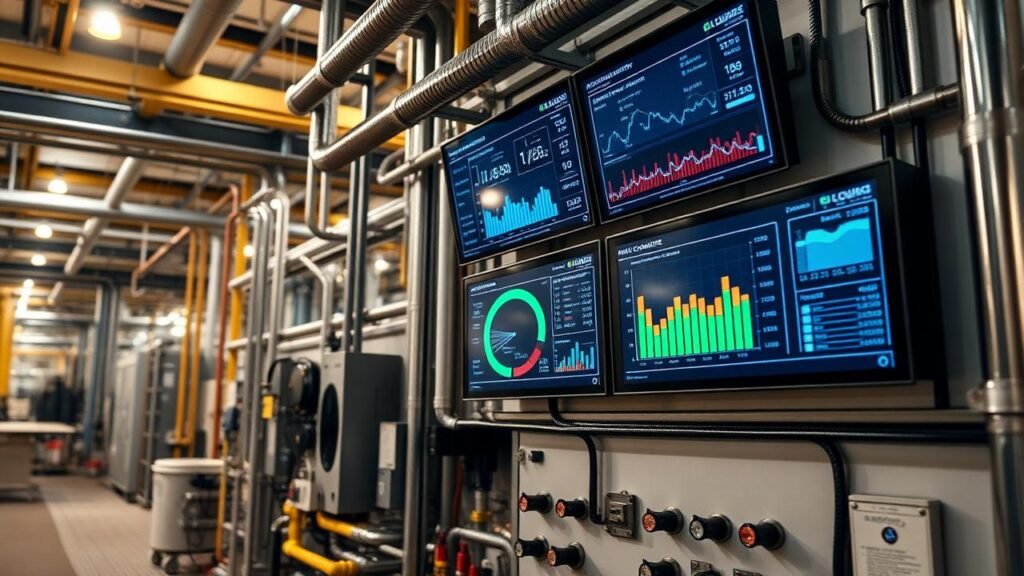
Why Energy Costs Remain Uncontrolled
Rising Energy Costs
Uncontrolled consumption driving up operational expenditure without visibility into waste areas.
Lack of Data Visibility
No structured monitoring or baselines to identify high-consumption zones or inefficiencies.
Inefficient Systems
Outdated equipment and processes running without optimization or performance benchmarking.
No Continuous Monitoring
Absence of EnPI frameworks means energy improvements are not tracked or sustained.
Understanding Your Energy Consumption
Energy Consumption Breakdown
Benchmark Comparisons
Current Baseline
4.2 GJ/unit
Industry Average
3.8 GJ/unit
Best Practice
3.1 GJ/unit
Potential Savings
26%
- Reduction potential
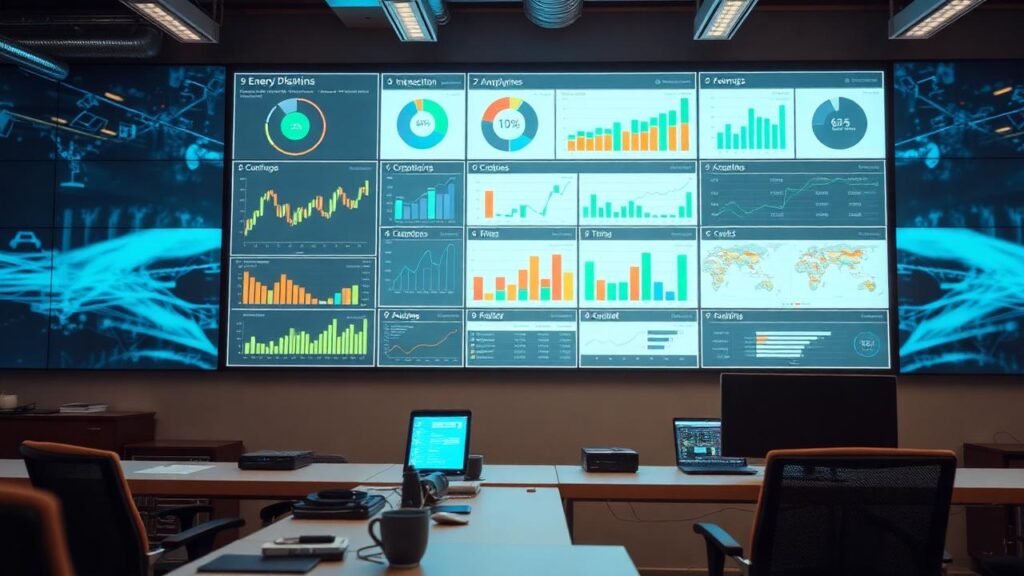
Our ISO 50001 Implementation Approach
Gap Assessment
Evaluate current energy practices against ISO 50001 requirements.
Energy Audit
Comprehensive audit of energy sources, consumption, and waste areas.
Baseline Definition
Establish energy baselines and define Energy Performance Indicators (EnPIs).
System Design
Design the EnMS with objectives, targets, and action plans.
Monitoring & Audit
Implement monitoring systems and prepare for certification audits.
How ISO 50001 Drives Continuous Improvement
Improvement
Refine targets, update baselines, and drive continuous gains.
Monitoring
Track EnPIs in real-time to validate savings and performance.
Data Collection
Gather energy consumption data from all sources and meters.
Optimization
Implement efficiency improvements and technology upgrades.
Analysis
Analyze consumption patterns, identify waste, and benchmark performance.
Core Elements of ISO 50001
Energy Baseline
Establish reference points for measuring energy performance improvements.
EnPIs
Define Energy Performance Indicators to track and benchmark efficiency.
Monitoring Systems
Real-time data collection and analysis for energy consumption patterns.
Optimization
Identify and implement energy efficiency improvements across operations.
Continuous Improvement
Systematic review and enhancement of energy management practices.
Business Impact of ISO 50001
15-30%
Energy Reduction
₹ Crores
Cost Savings
20%+
Efficiency Gain
25%+
Emission Reduction
12-18 mo
ROI Timeline
End-to-End Certification Support
Gap Audits
Identify gaps between current practices and ISO 50001 requirements.
Internal Audits
Structured internal audit programs to maintain compliance readiness.
Certification Coordination
End-to-end support for certification body engagement and audits.
Surveillance Audits
Ongoing support for annual surveillance and re-certification cycles.
Who This Is For
Manufacturing
Heavy and light manufacturing plants with significant energy loads.
Heavy Industries
Steel, cement, chemicals, and energy-intensive process industries.
Infrastructure
Commercial buildings, campuses, and large facility operators.
Large Enterprises
Multi-site organizations seeking consolidated energy management.
Our Engagement Model
Diagnostic
Assess current energy management maturity and consumption patterns.
System Design
Architect the EnMS framework, policies, and performance indicators.
Implementation
Deploy monitoring systems, train teams, and execute action plans.
Monitoring
Track EnPIs, validate savings, and optimize continuously.
Certification
Prepare for and achieve ISO 50001 certification.
FAQ