
Workforce, Technology & Data
FMEA – Failure Mode & Effects AnalysisConsulting
Identify potential product and process failures before they occur by implementing structured risk analysis and preventive quality systems.
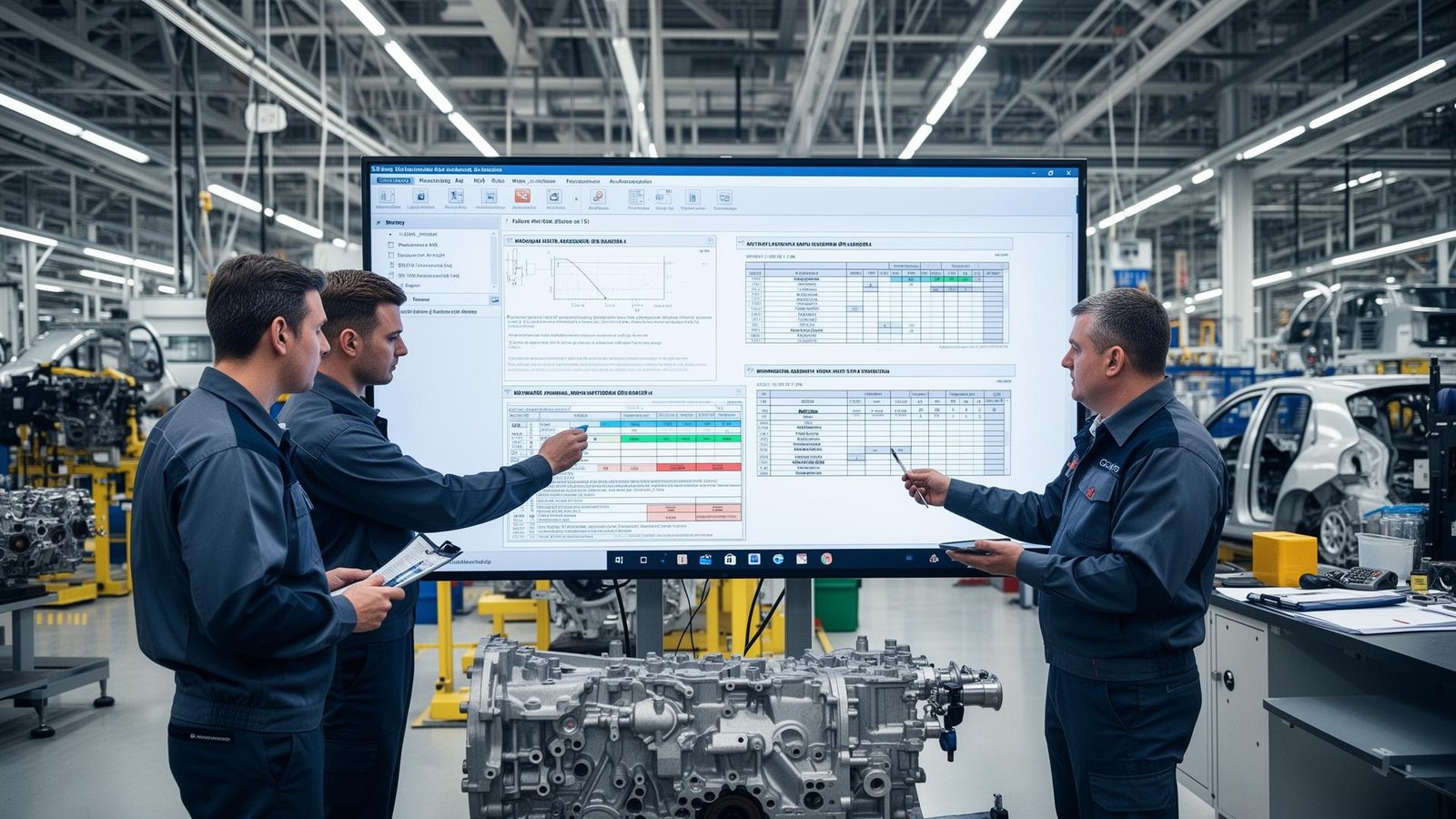
The Challenge
Why Manufacturing Failures Occur Without Structured Risk Analysis
Unexpected Product Defects
Design flaws discovered only after reaching production or customer.
Process Breakdowns
Manufacturing processes failing without prior risk identification.
High Rejection Rates
Excessive scrap and rework due to uncontrolled failure modes.
Late Quality Discovery
Critical quality problems found too late in the development cycle.
Warranty Claims & Recalls
Customer field failures leading to costly warranty and recall actions.
No Risk Prioritization
Inability to focus resources on the highest-impact failure risks.
What We Deliver
Proactive Risk Identification and Failure Prevention
A structured 5-step methodology to build management information systems that deliver reliable organizational insights.
- Identify failure modes early in design and process planning
- Reduce product and process risk through structured analysis
- Improve product reliability and manufacturing quality
- Strengthen preventive action culture across teams
- Prioritize risks based on severity, occurrence, and detection
- Meet automotive and industry compliance requirements
Potential Failure
Impact Analysis
Risk Prioritization
Preventive Action
Core Framework
Our FMEA Implementation Framework
System & Process Understanding
Map product functions, process steps, and interfaces for analysis scope.
Failure Mode Identification
Systematically identify all potential ways products or processes can fail.
Risk Analysis (S–O–D)
Rate Severity, Occurrence, and Detection to calculate Risk Priority Numbers.
Preventive Action Planning
Design and implement actions to reduce or eliminate high-priority risks.
Continuous Risk Monitoring
Track action effectiveness and update FMEA as processes evolve.
Documentation
Complete PPAP Submission Package
DFMEA – Design Failure Mode & Effects Analysis
Applied during product design to identify potential design-related failures, assess their impact on product performance, and implement design improvements before prototyping and production.
- Product function failures
- Design risk mitigation
- Reliability improvement
- Design verification planning

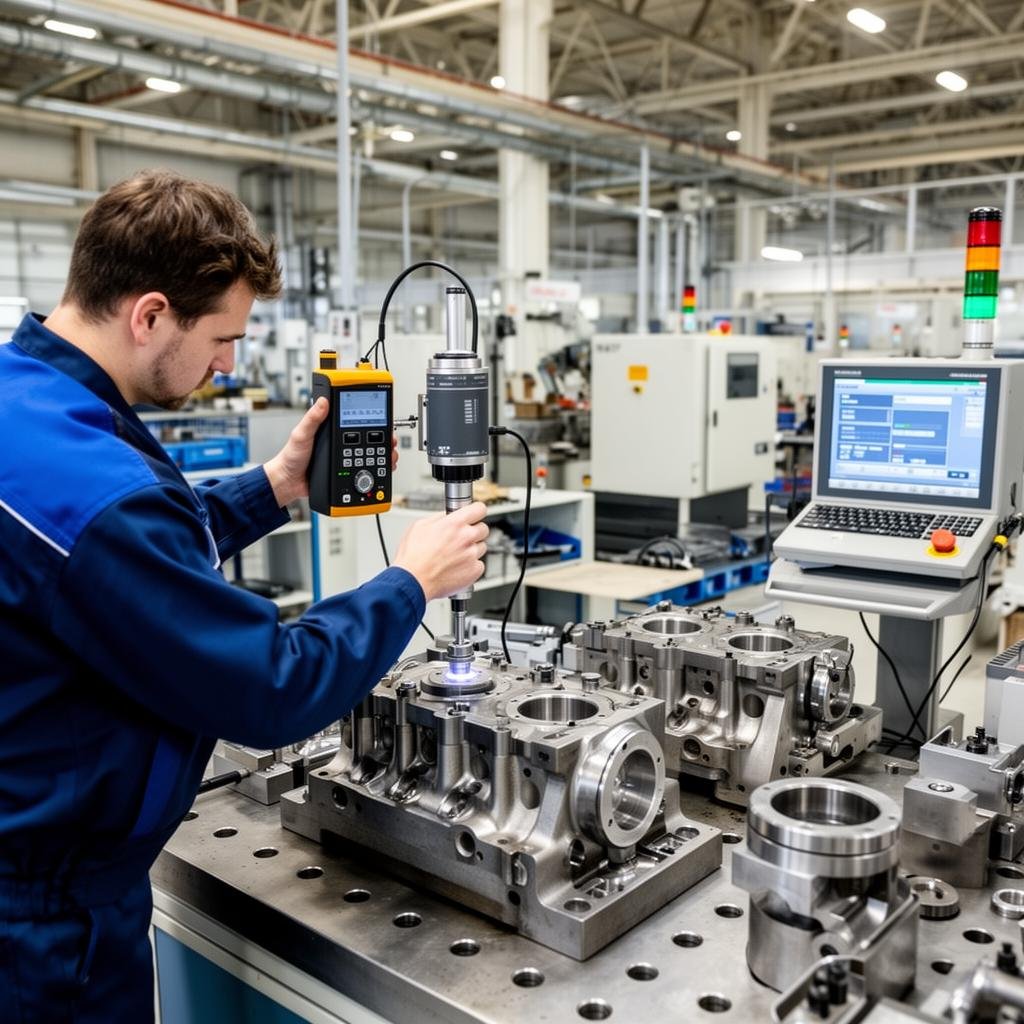
PFMEA – Process Failure Mode & Effects Analysis
Applied during manufacturing process planning to identify potential process failures, assess their effect on product quality, and implement process controls to prevent defects.
- Process step failures
- Manufacturing risk control
- Defect prevention
- Control plan integration
Core Tools
Integrated Automotive Quality Tools
MSA
Measurement System Analysis ensuring data integrity and gauge capability.
Control Plan
Defines ongoing process controls derived from FMEA risk outputs.
PPAP
Production Part Approval Process for customer submission and validation.
MSA
Measurement System Analysis to ensure data integrity and gauge reliability.
SPC
Statistical Process Control for real-time variation monitoring and control.
Business Impact
Business Impact of FMEA Implementation
Reduced Production Defects
Fewer quality failures through proactive risk prevention.
Improved Product Reliability
Higher confidence in product performance and durability.
Reduced Warranty Claims
Fewer field failures and customer complaints.
Improved Process Stability
Consistent manufacturing output with controlled variation.
Stronger Automotive Compliance
Meet IATF 16949 and OEM-specific quality requirements.
Better Cross-Functional Alignment
Teams aligned on risks, priorities, and preventive actions.
Industries
Industries UsingFMEA
Automotive Manufacturers
Tier 1 Suppliers
Tier 2 Suppliers
Engineering Manufacturers
Electronics Manufacturers
Precision Component Suppliers
How We Work
How We Support FMEA Implementation
01
FMEA Readiness Assessment
Evaluate current risk analysis maturity and identify improvement areas.
02
Cross-Functional Risk Workshops
Facilitate structured FMEA sessions with engineering, quality, and production teams.
03
DFMEA / PFMEA Development
Build comprehensive design and process FMEAs aligned with AIAG-VDA methodology.
04
Preventive Action & Control Integration
Link FMEA outputs to control plans, SPC, and ongoing process monitoring.