
Corporate Social Responsibility — Procurement Governance
ISO 20400 Sustainable Procurement Consulting
- ESG-based supplier evaluation
- Risk-based procurement systems
- Supplier governance frameworks
- Sustainable sourcing strategies

Why Traditional Procurement Models Create Risk
Lack of ESG Criteria
Procurement decisions made without environmental, social, or governance considerations expose organizations to reputational and regulatory risks.
Supplier Risks
Unvetted suppliers introduce quality, ethical, and compliance risks into the value chain, undermining organizational integrity.
Poor Visibility
Limited transparency into supplier practices creates blind spots in risk management and sustainability reporting.
Compliance Gaps
Inconsistent procurement standards lead to regulatory non-compliance and missed sustainability targets.
What ISO 20400 Enables
Responsible Sourcing
Embed sustainability criteria into every stage of the procurement lifecycle.
Supplier Transparency
Build visibility into supplier practices, performance, and compliance status.
Risk Reduction
Systematically identify and mitigate supply chain risks through governance frameworks.
ESG Alignment
Align procurement strategies with international ESG standards and stakeholder expectations.
Our ISO 20400 Implementation Approach
01
Gap Assessment
Evaluate current procurement practices, ESG maturity, and supplier landscape.
02
Supplier Mapping
Map the supplier network and identify ESG risks, dependencies, and improvement opportunities.
03
Framework Design
Design sustainable procurement policies, evaluation criteria, and governance structures.
04
Implementation
Deploy ESG-integrated procurement processes, training, and supplier engagement programs.
05
Monitoring
Establish KPIs, reporting mechanisms, and continuous improvement cycles.
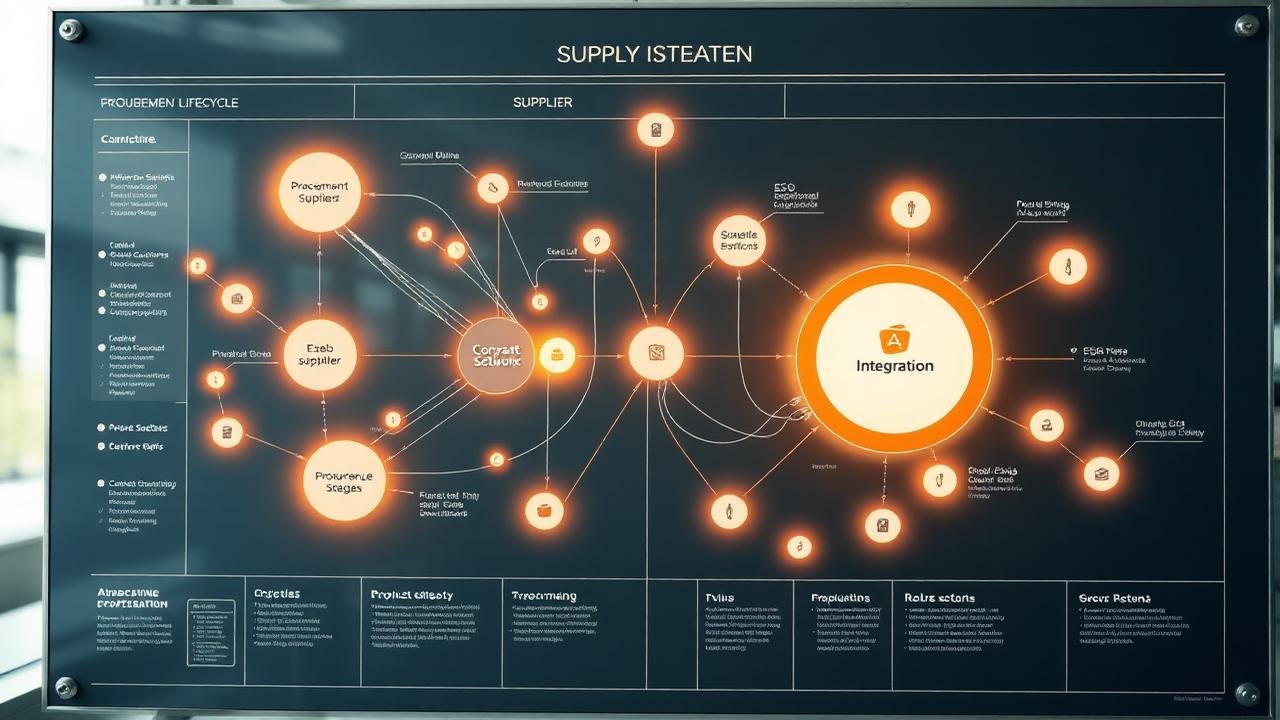
How Responsible Sourcing Is Implemented
Planning
Define procurement needs with embedded sustainability and ESG criteria from the outset.
- Needs analysis
- ESG criteria definition
- Stakeholder alignment
Supplier Selection
Evaluate and select suppliers based on ESG performance, risk profile, and capability.
- ESG scoring
- Risk evaluation
- Capability assessment
Contracting
Incorporate sustainability clauses, ESG obligations, and governance requirements into contracts.
- Sustainability clauses
- Performance targets
- Compliance obligations
Monitoring
Track supplier ESG performance, compliance adherence, and continuous improvement.
- KPI tracking
- Audit programs
- Performance reviews
Improvement
Drive supplier development and procurement system optimization through data-driven insights.
- Gap analysis
- Supplier development
- System optimization
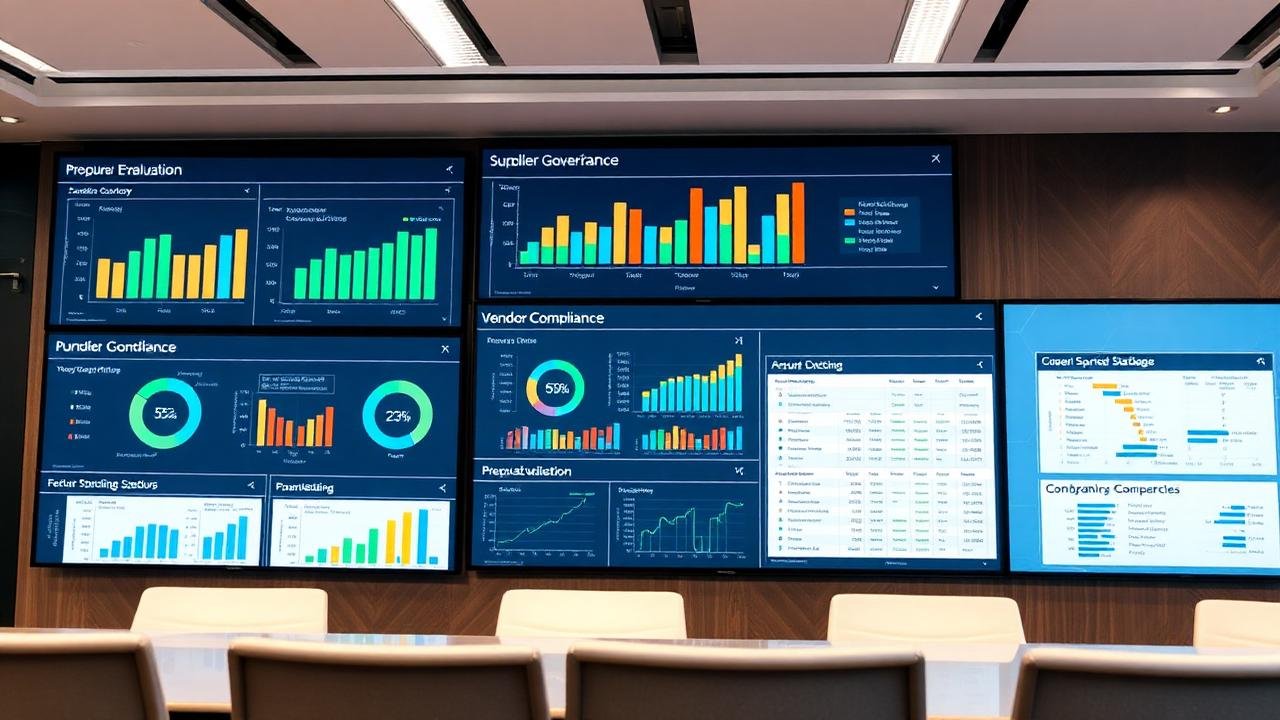
How Suppliers Are Evaluated and Controlled
ESG Evaluation
Systematic assessment of environmental, social, and governance performance across all suppliers.
Risk Assessment
Comprehensive supply chain risk mapping covering compliance, operational, and reputational factors.
Due Diligence
Structured vetting of new and existing suppliers against sustainability and compliance benchmarks.
Performance Monitoring
Continuous tracking of supplier KPIs, ESG metrics, and contract compliance indicators.
Compliance Tracking
Automated monitoring of regulatory requirements, certifications, and standard adherence.
System Components
Core Elements of ISO 20400
Responsible Sourcing
Embed sustainability into procurement decisions and supplier relationships.
Supplier Governance
Structured frameworks for supplier evaluation, development, and accountability.
ESG Integration
Align procurement with environmental, social, and governance objectives.
Risk Management
Proactive identification and mitigation of supply chain risks.
Transparency
End-to-end visibility into supplier practices and procurement outcomes.
Business Impact of ISO 20400
85%
Reduced Risk
Supply chain risk mitigation
100%
ESG Compliance
Standard alignment
3×
Supplier Reliability
Performance improvement
90%
Transparency
Procurement visibility
40%
Long-Term Value
Cost optimization
Who This Is For
Manufacturing
Organizations with complex multi-tier supply chains and raw material dependencies.
Infrastructure
Construction and infrastructure firms managing large procurement portfolios.
Large Enterprises
Corporates with global operations and sustainability reporting obligations.
Exporters
Companies navigating international ESG requirements and buyer expectations.
Our Engagement Model
01
Diagnostic
Assess current procurement maturity, ESG integration, and supplier governance landscape.
02
Design
Architect the sustainable procurement framework tailored to your industry and supply chain.
03
Implementation
Deploy procurement policies, supplier evaluation systems, and ESG integration processes.
04
Training
Establish continuous monitoring, reporting, and supplier performance measurement.
05
Certification
Drive ongoing improvement through data analytics, benchmarking, and system refinement.
FAQ