Process Excellence — Corporate Social Responsibility
SEDEX / SMETA Ethical Compliance Consulting
- SMETA audit readiness
- Labour & safety compliance
- Ethical business practices
- SEDEX registration support
The Challenge
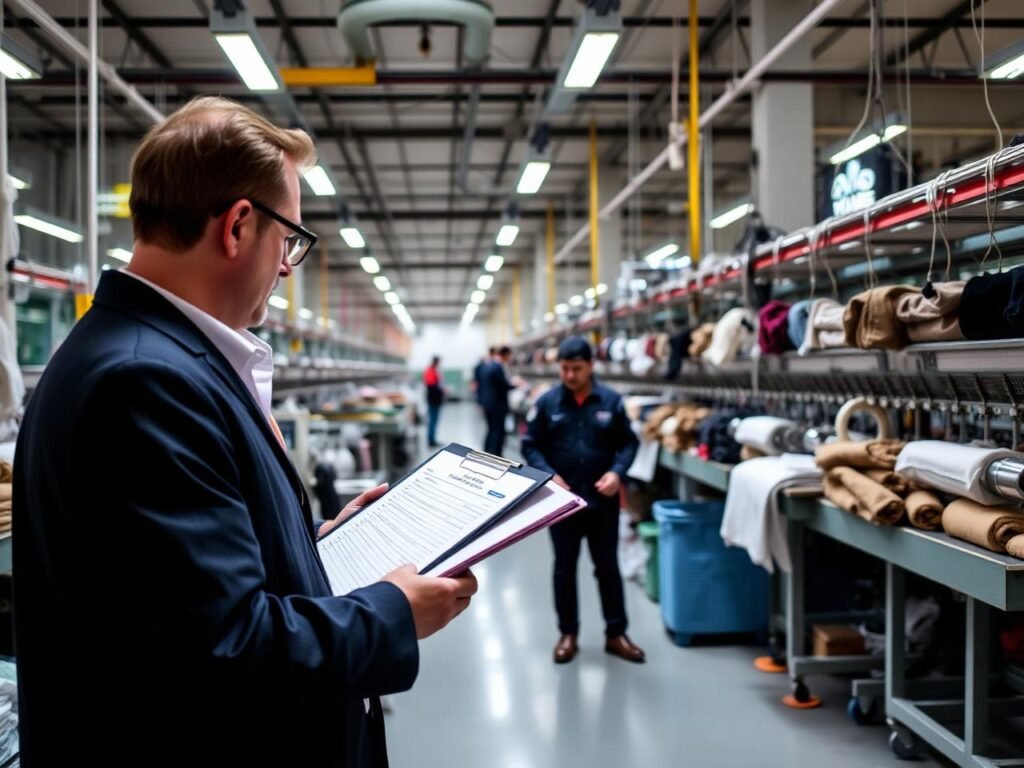
Why Suppliers Fail Global Ethical Audits
Labour Issues
Non-compliance with labour standards including working hours, wages, and worker welfare leads to audit failures and buyer rejection.
Safety Gaps
Inadequate health and safety systems expose workers to risk and result in critical non-conformities during SMETA audits.
Missing Documentation
Lack of structured records for policies, training, and corrective actions creates audit evidence gaps.
Audit Failures
Repeated non-conformities in ethical audits damage supplier ratings and result in lost business opportunities.
Value Delivered
What SEDEX Enables
Buyer Approval
Meet ethical sourcing requirements of global retailers, brands, and procurement teams.
Supply Chain Transparency
Provide full visibility into your ethical practices through the SEDEX platform.
Ethical Compliance
Demonstrate compliance with international labour, safety, and environmental standards.
Export Readiness
Unlock access to global markets that mandate ethical supply chain verification.
Our Methodology
Our SEDEX Implementation Approach
Gap Assessment
Evaluate current ethical practices, documentation, and compliance systems against SMETA requirements.
Compliance Framework
Design labour, health & safety, environmental, and business ethics frameworks aligned to SMETA pillars.
Documentation
Develop policies, procedures, training records, and evidence files for audit readiness.
Training
Train management and workers on ethical practices, rights, and audit expectations.
Audit Readiness
Conduct mock audits, close non-conformities, and prepare for SMETA assessment.
Most Important
How Your Organization Is Evaluated
Labour Standards
Fair wages, reasonable working hours, no forced or child labour, freedom of association, and non-discrimination.
- Fair wages & benefits
- Working hours compliance
- Freedom of association
- No child or forced labour
Health & Safety
Safe working conditions, emergency preparedness, protective equipment, and occupational health management.
- Workplace safety systems
- Emergency preparedness
- PPE & equipment
- Occupational health
Environment
Environmental management, waste handling, emissions control, and resource efficiency across operations.
- Waste management
- Emissions control
- Resource efficiency
- Environmental compliance
Business Ethics
Anti-corruption, fair business practices, data protection, and transparent governance systems.
- Anti-corruption policies
- Fair business practices
- Data protection
- Transparent governance
Key Differentiator
How SEDEX Builds Transparency Across Your Supply Chain
Organic Fiber Standards
Minimum 70% certified organic fibers with strict sourcing documentation and chain-of-custody requirements.
Key Differentiator
Facility
On-site conditions verified against SMETA pillars with documented evidence.
Facility Assessment
Workforce
Worker interviews, welfare verification, and labour rights compliance.
Worker Verification
Audit
Independent SMETA audit conducted by approved audit body with corrective actions.
Third-Party Audit
Buyer
Audit reports shared on SEDEX platform, enabling buyer confidence and deal closure.
Buyer Approval
Core Elements of GOTS
Labour Compliance
Comprehensive labour standards including wages, hours, contracts, and worker rights.
Health & Safety
Workplace safety systems, emergency protocols, and occupational health management.
Environmental Responsibility
Waste management, emissions control, and environmental compliance systems.
Business Ethics
Anti-corruption, fair practices, data protection, and governance frameworks.
Documentation
Policies, training records, corrective action logs, and audit evidence files.
Business Impact of SEDEX
Audit Success
Pass SMETA audits with confidence and minimal non-conformities
Buyer Trust
Build verified ethical credibility with global procurement teams
Export Growth
Unlock access to ethically-demanding international markets
Full Compliance
Labour, safety, environmental, and ethics standards in one system
Brand Credibility
Position your organization as a responsible, ethical supplier
Who This Is For
Textile Manufacturers
Garment and textile units supplying to global brands and retailers.
Exporters
Export-oriented manufacturers meeting buyer ethical sourcing requirements.
FMCG Suppliers
Fast-moving consumer goods suppliers in food, personal care, and household sectors.
Industrial Vendors
Component and material suppliers to multinational industrial buyers.
Our Engagement Model
01
Diagnostic
Assess current state against SMETA requirements and identify gaps.
02
Design
Design compliance frameworks for labour, safety, environment, and ethics.
03
Implementation
Deploy ethical systems, policies, and corrective actions across the facility.
04
Training
Train management and workforce on ethical practices and audit expectations.
05
Audit
Support through SMETA audit, corrective actions, and SEDEX platform reporting.
FAQ